
Table of Contents
Ask any marketer what makes a message work, and you'll hear some version of the same answer: it has to be relevant to the person receiving it. No consumer brand would send every customer the same email and expect it to land.
Yet that's how most organizations still talk to their own people. One policy update, one benefits reminder, one safety notice, sent to everyone through the same channel. Then we wonder why it didn't stick.
The numbers show what that costs. Up to 76% of managers say they've missed an important update, even though they hear from their employer multiple times a week. In our survey of 1,000 U.S. hospital nurses, 90% said that at least once, they'd learned about a new policy only after it took effect. That means people are doing their jobs under rules that no longer apply.
Why the important messages get missed
When most of what lands in someone's inbox has nothing to do with their job, they learn to skim. A nurse on a 12-hour shift, a plant supervisor, and a regional sales manager need different things, at different times, in different places. Send them all the same message and each one has to work out whether it applies to them. Usually it doesn't, so the one that does gets skimmed too.
Employees are consumers, too
People who get the same companywide email at work go home to a streaming service that knows what they watched last night and a bank that alerts them only to what matters. They know what personalization feels like. At work, it disappears.
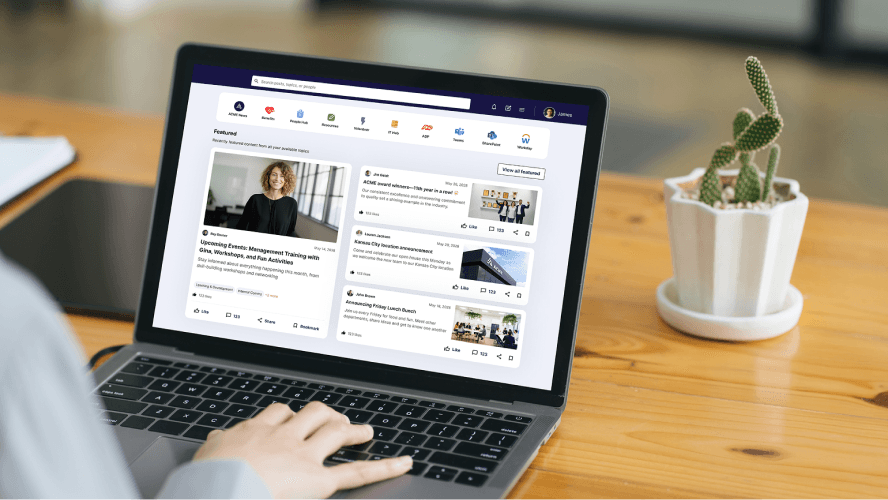
At Firstup, we believe the only communication model that works is employee-centric. That means using what an intelligent communications platform already knows about each person, including their role, location, shift, language, and preferred channels, to decide what they see and how it reaches them.
What it looks like in practice
Wellstar Health System was at 54% compliance with its flu vaccine policy, and employees who stayed out of compliance couldn't work. Instead of emailing everyone again, the team reached only the people who still needed to act, and removed them from the list automatically once they did. Compliance reached 99%.
Phillips 66 tailored how notifications reached employees across its facilities and schedules, based on how each person had engaged before. Engagement rates doubled at some facilities.
Where to start
You don't have to personalize everything at once:
- Pick one message that matters and name who actually needs it.
- Identify the attributes that define that audience.
- Define your key milestones, then leverage intelligent communications to automatically personalize your message and reach your intended audience at the right time and through the right channel.
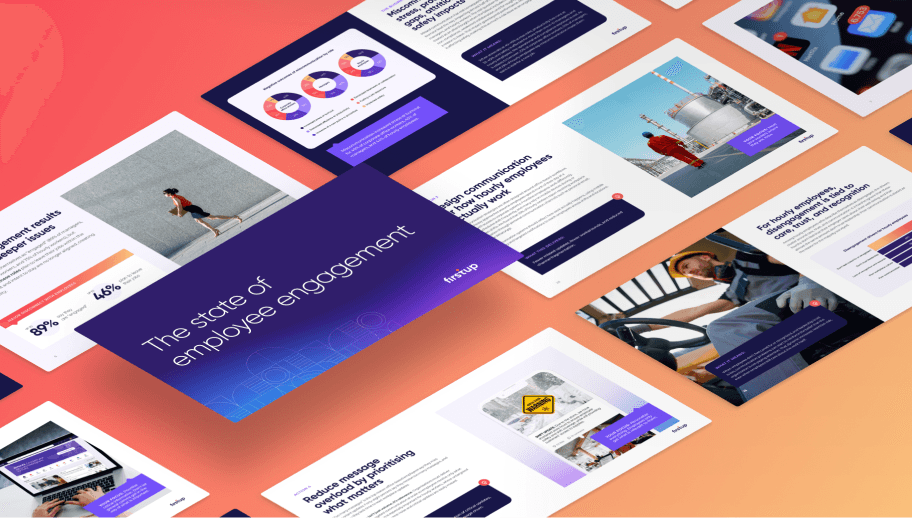
We put what we've learned into our new eBook, Right message, right person: How to make every employee communication relevant and actionable. It's the second in our Five Tenets of the Workforce Champion series, with more customer examples and a closer look at how personalization works at scale.
Table of Contents
Related posts
- 8 key components of a successful enterprise communication strategy
- 25 employee newsletter ideas to engage and improve your workplace
- Engaged but about to leave: What workers in North America and the UK are really telling us
- Choosing the Best Internal Communication Tools for a More Connected, Engaged Workplace
Subscribe via Email
Subscribe to our blog to get insights sent directly to your inbox.
Related posts


Sign up to receive the latest news and resources from Firstup
Firstup delivers personalized communication and data insights to improve the employee experience at every moment that matters