

Table of Contents
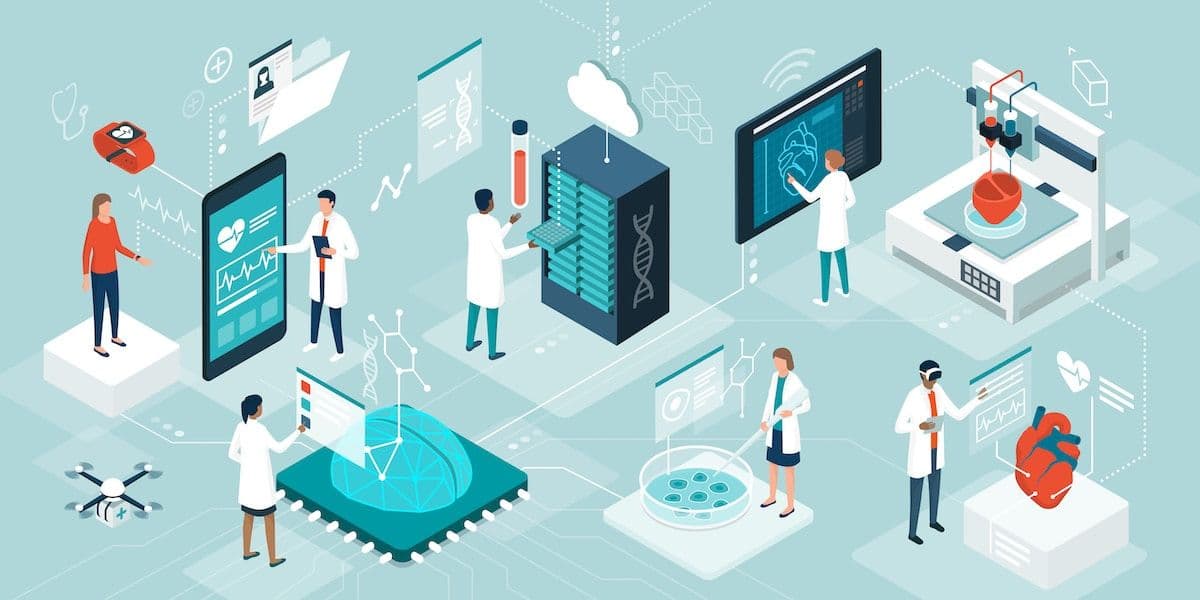
Healthcare technology trends now center on artificial intelligence and machine learning, cybersecurity, telemedicine and remote patient monitoring, data interoperability, and the Internet of Medical Things. Each depends on a connected workforce, so providers rely on intelligent communication platforms to reach frontline and administrative staff across every site and shift.
Originally published July 2022. Fully updated July 2026.
Behind these trends is real operational pressure. Hospitals and health systems are managing larger, more dispersed, and more shift-based workforces, while security and regulatory demands keep rising. The ten trends below show where healthcare technology is making the biggest difference today, from the clinical front line to the systems that keep data secure and teams aligned.
Key Insights
- AI has quietly become a daily colleague in most clinical practices.
- Regulators are clearing AI tools fast, and they already shape how scans get read.
- Virtual care is no longer a stopgap but a permanent fixture patients expect.
- One record-setting breach reset the stakes and made data security a leadership concern.
- The quiet risk is communication, because missed updates cost both safety and retention.
- Better communication shows up in the outcomes that matter, from fewer safety incidents to workers who stay.
1. Increased focus on internal communication

Healthcare providers face unique communication challenges. From connecting frontline workers and office staff across multiple specialties to ensuring the protection of electronic health records, clear communication is critical to running a healthcare facility efficiently.
Effective communication keeps any healthcare system running smoothly, ensuring that staff remain informed and engaged, as seen in these internal communication examples. With teams spread across different locations and using various devices, the need for streamlined, secure communication platforms has never been more urgent.
The stakes are high. Workplace critical updates can be missed by 61% to 67% of employees depending on their role, which can translate directly into missed safety protocols and compliance gaps in a clinical setting.
While technologies like remote monitoring, cleaning solutions, and screening tools capture much of the public’s attention, a quieter yet equally critical change is happening within healthcare: the modernization of internal communications.
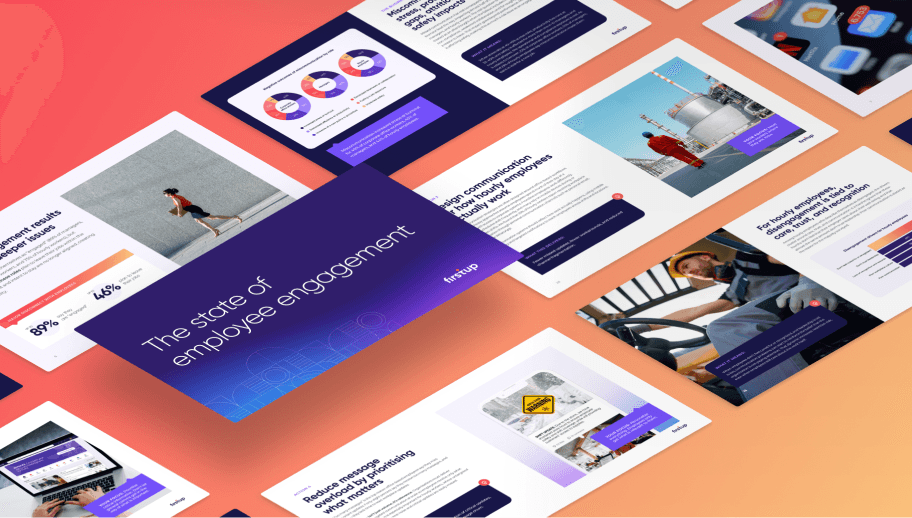
For more details, download our State of employee engagement report here.
Bridging the gap: Efficient communication for better outcomes
Administrators increasingly rely on advanced internal communication platforms to ensure the right message reaches the right person, whether frontline workers in the ER, administrative staff, or leadership teams. This real-time communication technology is essential in day-to-day operations and during crises.
By ensuring efficient message delivery, these tools help facilities react quickly to emerging situations, reducing confusion and improving patient care.
A Forrester Total Economic Impact study commissioned by Firstup found that healthcare organizations reached nearly 90% of their frontline workforce and saved roughly 69,000 hours of productive time by the third year, time employees would otherwise have spent searching for communications.
Healthcare communication technologies also simplify distributing regulatory updates, policy changes, and urgent notices to staff, supporting compliance with healthcare regulations like HIPAA. With ever-present risks to patient data and privacy, communication systems add a layer of protection by integrating with existing IT infrastructure.
“Healthcare is always complicated, and our system is no exception. We have felt the impact of the work that we do and have seen it both in the stories we tell internally and externally.”
Retention through employee engagement and two-way communication
Employee retention remains a major concern in the healthcare sector, and effective communication directly affects it. When employees feel informed, supported, and included in decisions, they are more likely to stay. Strong employee engagement, driven by clear and consistent communication, keeps staff connected to the organization’s goals.
By using systems that enable two-way communication, administrators can gather feedback and address issues before they lead to burnout or turnover. These platforms also let leaders show staff that their input matters. In a high-stress industry like healthcare, that connection makes a measurable difference in both employee engagement and retention rates.
The same Forrester study attributed a 4% reduction in frontline turnover to communication improvements, and one organization saw a 12-percentage-point retention gain among new frontline employees onboarded through the platform.
If your facility hasn’t upgraded its internal communication technology, it’s time to consider a solution built for the complexity of modern healthcare. Advanced communication platforms boost engagement and retention while improving compliance, operational efficiency, and care.
Across the organizations Forrester studied, that investment returned 398% ROI and $7.1 million in net present value over three years.
2. Cybersecurity: Safeguarding healthcare in the digital era
The healthcare sector is a prime target for cyberattacks, with increasingly sophisticated threats. The scale is now hard to overstate: the Change Healthcare attack affected 192.7 million people, making it the largest healthcare data breach in US history. As healthcare facilities rapidly adopted new technology during the COVID-19 pandemic, cybersecurity upgrades often lagged, leaving many organizations vulnerable.
This digital transformation, while essential for improving care, has made healthcare networks an attractive target for hackers.
Data security: The cornerstone of healthcare protection
Protecting patient data and electronic medical records (EMRs) remains a top priority for the healthcare industry. The Health Insurance Portability and Accountability Act (HIPAA) mandates stringent data security standards, requiring facilities to continuously assess their data protection protocols. Given the high value of patient data on the black market, organizations must stay vigilant and adopt advanced cybersecurity solutions to mitigate risks.
Healthcare professionals must also address the growing use of telemedicine, wearable devices, and connected health systems, which introduce new vulnerabilities. Securing these tools is critical as they become integral to modern patient care.
Protecting patient privacy in a connected world
With the rise of digital health trends like wearable technology and the Internet of Medical Things (IoMT), the scope of patient privacy concerns has broadened significantly. While these innovations provide tremendous benefits, such as remote patient monitoring and personalized care, they also introduce new challenges in safeguarding personal health information (PHI). The medical industry must invest heavily in advanced technologies to ensure patient privacy is not compromised while complying with stringent legal requirements.
Navigating GDPR and HIPAA: Global data protection standards
While HIPAA governs the protection of patient data in the U.S., healthcare providers operating globally must also comply with the General Data Protection Regulation (GDPR). The GDPR, regarded as the toughest privacy law in the world, extends to any organization handling data from EU citizens, even if the business operates outside the European Union.
For U.S. providers serving international patients, GDPR compliance is not just a recommendation, it’s a legal obligation. The penalties for non-compliance are severe, making it essential for healthcare organizations to adopt cybersecurity and data privacy measures that meet or exceed HIPAA and GDPR standards.
Looking ahead: The future of cybersecurity in healthcare
As the healthcare industry deepens its investment in digital tools, demand for strong cybersecurity systems is rising rapidly. Cybersecurity has become one of the top healthcare technology trends, as healthcare organizations must safeguard sensitive patient data while meeting increasingly stringent privacy regulations. To meet these challenges, healthcare IT professionals are prioritizing advanced security solutions like cloud-based data storage, VPN protection, and network access management.
3. AI and machine learning: Transforming healthcare

Artificial intelligence (AI) and machine learning (ML) help healthcare providers diagnose conditions earlier, personalize treatment plans, and streamline operations. Adoption has moved fast: 81% of physicians now use AI professionally in 2026, up from 38% in 2023. At the core of this shift is machine learning, a subset of artificial intelligence that uses vast amounts of data to learn and improve its predictive accuracy over time.
Regulators are keeping pace. The FDA has authorized roughly 1,451 AI-enabled medical devices, about 76% of them in radiology, reflecting how central AI tools have become to imaging and diagnostics. In healthcare, machine learning is applied across many critical areas, from detecting early signs of cancer to predicting patient outcomes so providers can intervene before complications develop.
Improving diagnosis and treatment
One of the most impactful uses of ML in healthcare is diagnosing disease. Artificial intelligence tools can analyze large sets of healthcare data, such as lab results, genetic information, and medical histories, to identify patterns that may signal a condition long before traditional methods can. A large Swedish trial showed the potential: AI-supported mammography screening detected 29% more cancers while cutting radiologists’ screen-reading workload by 44%. This supports earlier diagnosis, better treatment plans, and improved patient outcomes.
AI and ML are also personalizing treatment. By analyzing data from previous treatments, outcomes, and patient-specific information, models can suggest tailored therapies that are more likely to work. This level of personalized care improves outcomes while reducing the trial-and-error often associated with treatment.
Lowering costs and enhancing operational efficiency
Beyond direct care, machine learning is optimizing operations. Organizations are using artificial intelligence to automate administrative tasks, from medical record-keeping to billing, reducing human error and freeing workers to focus on more pressing work. AI-driven solutions can also reduce healthcare costs by predicting resource needs, preventing overstaffing, and minimizing waste.
For example, models can analyze hospital data to predict patient admission rates, enabling better staffing decisions and resource allocation. This improves operational efficiency and enhances patient satisfaction by reducing wait times and improving care quality.
Supporting, not replacing, healthcare workers
AI and ML offer significant benefits, but they are not replacements for human employees. These technologies are best viewed as tools that augment medical professionals, handling time-consuming data analysis and offering recommendations, while human judgment and expertise remain irreplaceable, especially in complex medical decisions.
4. Digital healthcare services: Virtual and augmented reality
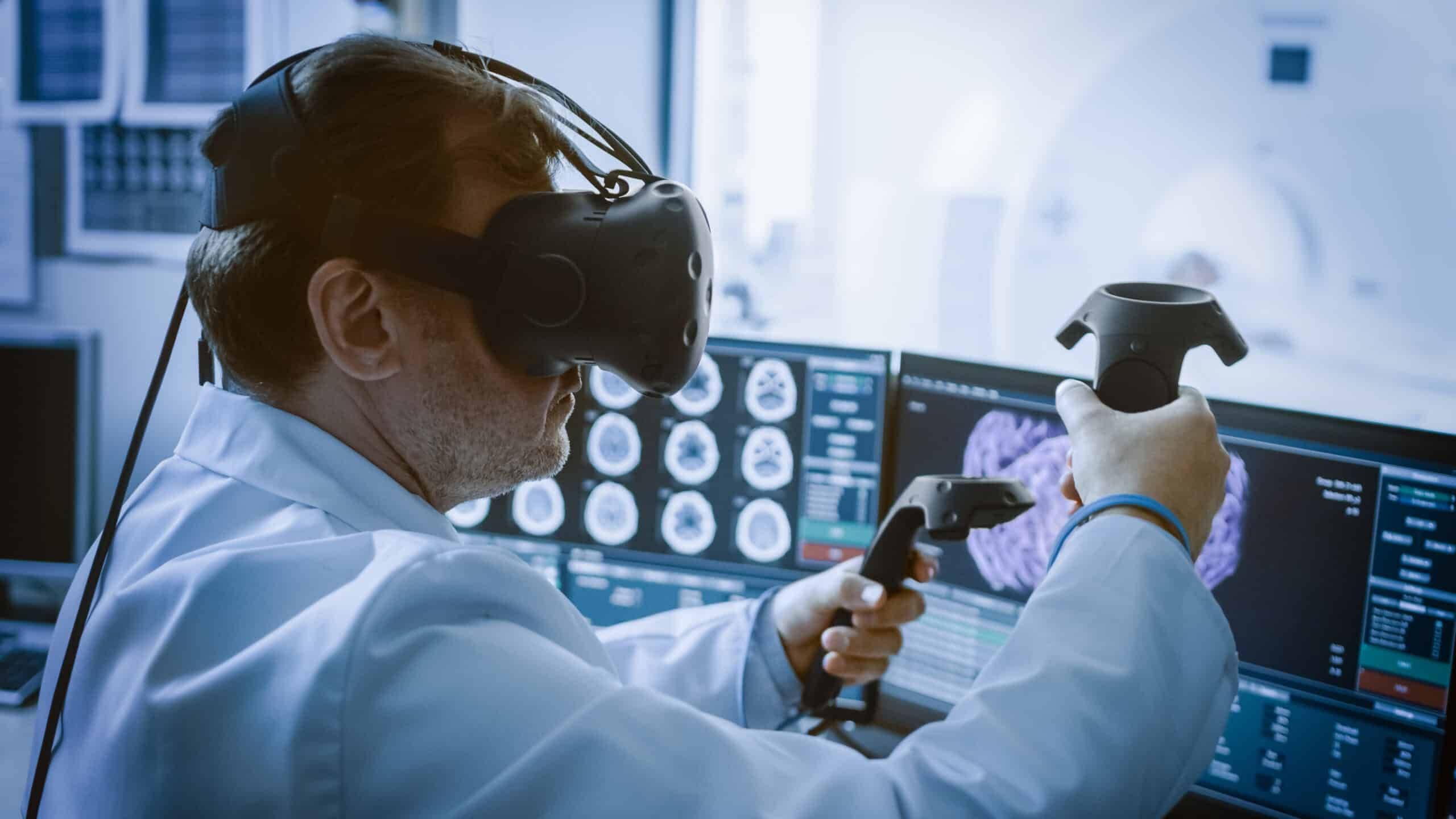
The healthcare industry is adopting digital innovations like virtual reality (VR) and augmented reality (AR) to improve care, education, and operational efficiency. Once viewed mainly as entertainment tools, these technologies now support healthcare providers in everything from non-invasive training simulations to advanced patient treatment methods.
Virtual reality in healthcare
Virtual reality, once the domain of video games, is now a growing force in healthcare. As of 2024, the global healthcare virtual reality market was valued at over $4 billion, and it continues to grow as more medical facilities adopt VR. This technology lets professionals, students, and patients engage in immersive, simulated environments that provide hands-on experience without risk.
Medical professionals use VR to simulate surgeries, rehearse complex procedures, and train staff. Practicing in a risk-free environment is critical for improving surgical outcomes and reducing errors. VR is also being applied in pain management, rehabilitation, and mental health care, offering simulated environments for therapy, stress relief, and cognitive behavioral interventions that help patients manage anxiety, depression, and other conditions.
Augmented reality in healthcare
Augmented reality (AR) is emerging as a vital healthcare technology trend, changing how providers interact with patients and medical data by overlaying digital information onto the physical world. Hospitals increasingly use it to improve diagnostics, treatment planning, and surgical procedures. For example, AR lets surgeons access real-time, 3D visualizations of a patient’s anatomy during surgery, allowing more precise incisions and lowering the risks of invasive procedures.
AR-powered tools also improve patient interactions. Symptom checker chatbots using AR let patients describe symptoms and receive instant feedback, reducing the load on clinical staff and speeding up triage. AR solutions integrated with artificial intelligence can also help physicians refine diagnoses by offering alternate possibilities based on real-time analysis of medical data.
Engagement that improves safety and retention
“The best way to reduce turnover is to increase engagement. One of the best ways to energize the team about the work they’re doing is to highlight it for the rest of the organization to see.”
Dr. Michael Kirchhoff, Chief Innovation Officer and Patient Safety Officer, Cooper University Health Care. Learn more.
5. Reducing risk through healthcare technology and communication
In healthcare, effective communication is not just a convenience, it’s a vital part of risk management. Poor communication among staff, between departments, or with patients can lead to errors, delays, and serious medical incidents. Healthcare technology trends are helping reduce these risks by improving how information is shared and managed across organizations.
Healthcare leaders recognize that advanced communication platforms now help critical information reach the right people at the right time. Recent workforce research underscores the need: miscommunication drives turnover intent for roughly one in four employees and affects safety for more than one in ten managers and hourly workers. These tools streamline operations, prevent miscommunication, and improve decision-making, leading to better patient outcomes and lower risk.
Forrester’s study of healthcare organizations using Firstup found that communication improvements decreased serious safety incidents by 30% over three years.
Improving coordination and safety with real-time communication
One clear example is Cooper University Health Care, which integrated a comprehensive internal communication platform to improve engagement and reduce risk among its nearly 10,000 team members. Cooper standardized and centralized its messaging so that critical updates, safety protocols, and real-time information reached frontline workers and medical staff consistently.
With this system in place, Cooper addressed several risk factors stemming from communication breakdowns. The platform delivered safety reminders, policy updates, and important health information quickly and accurately, keeping staff prepared to handle patient needs. By improving communication, Cooper reduced confusion, eliminated costly delays, and improved care outcomes while maintaining compliance with safety regulations.
Reducing risk by engaging healthcare workers
Engagement plays a crucial role in reducing risk, and modern communication platforms are designed to keep workers informed, connected, and engaged. When staff are fully informed of policies, procedural changes, and patient-specific information, the risk of medical errors, misdiagnoses, and treatment delays drops significantly.
By using tools that enable real-time communication and provide personalized, role-specific information, healthcare organizations help employees feel confident in their decisions and care delivery. This improves patient safety and reduces the risk of regulatory violations, helping organizations avoid costly penalties and reputational damage.
In the Forrester study, one healthcare organization saw a more than 50% increase in near-miss reporting after making it easier for staff to flag concerns, prevented 11 medication errors from reaching patients, and increased its adjusted patient day volume capacity by 25%.
6. Telemedicine and remote patient monitoring: The future of accessible care

Telemedicine has become a critical component of modern healthcare, changing how patients and providers interact by delivering care remotely. Through digital platforms such as video calls, phone consultations, email, and secure messaging, telemedicine lets patients receive medical attention from home. Policy now supports its staying power: Medicare telehealth flexibilities are extended through December 31, 2027, keeping virtual care available from almost any location, including the home.
The pandemic accelerated telemedicine adoption, and its benefits have kept it central to healthcare. For conditions that don’t require immediate physical intervention, such as routine checkups, follow-ups, or chronic disease management, telemedicine offers a convenient, cost-effective alternative to traditional doctor visits. It also expands access to care for patients in rural or underserved areas, removing barriers of distance and transportation.
Remote patient monitoring: Enhancing ongoing care
Remote patient monitoring (RPM) takes telemedicine further by letting providers continuously track patients’ health metrics outside the clinic. With wearable devices, mobile apps, and connected home health equipment, RPM enables real-time monitoring of vital signs, medication adherence, and other critical healthcare data. This constant stream of information helps clinicians make informed decisions quickly, potentially preventing complications and reducing hospital readmissions.
Chronic conditions like diabetes, hypertension, and heart disease especially benefit from RPM, since patients can be monitored consistently without frequent in-person appointments. RPM can also be lifesaving for elderly or high-risk patients, letting providers intervene promptly when abnormalities appear.
Transforming patient outcomes and reducing costs
One of the biggest advantages of telemedicine and remote monitoring is improving patient outcomes while reducing healthcare costs. By catching issues early through RPM and providing immediate virtual consultations, providers can prevent severe complications that often lead to costly hospital visits or extended treatments.
Telemedicine also lets providers manage a larger volume of patients efficiently, reducing wait times and improving the patient experience. This shift gives patients more control over their healthcare, since they can access their health information, manage appointments, and receive care without the traditional hurdles of scheduling and commuting.
Expanding access and future growth
Telemedicine and remote patient monitoring have expanded access for people in remote areas and for patients facing mobility issues, transportation challenges, or limited time. As artificial intelligence and data analytics are integrated more deeply, care will become more personalized, with targeted recommendations based on individual health patterns and needs.
Personalization powers engagement
“Ensuring employees have access to the latest information, and having it personalized to them, is really important. It’s transformed the way that people interact with our comms. Before Firstup, we weren’t able to do that.” BBC
7. Automation of administrative processes: Streamlining efficiency and reducing risk

The automation of administrative processes is one of the most impactful healthcare technology trends, helping organizations improve operational efficiency, reduce manual errors, and free up resources for care. By automating repetitive tasks such as scheduling, billing, and patient record management, healthcare providers can streamline workflows, reduce bottlenecks, and improve accuracy.
A key advantage of automation in healthcare administration is reducing human error, which can lead to costly mistakes, regulatory violations, or compromised patient safety. For instance, automating electronic health records (EHR) management keeps patient data accurate, up-to-date, and accessible, minimizing the risk of medical errors or treatment delays.
The role of communication platforms in automation
Internal communication platforms play a critical role in supporting automation. By integrating these platforms with automated systems, professionals receive real-time notifications about important tasks, policy updates, or patient-specific information. This keeps staff informed and able to respond promptly to administrative issues, further reducing risk.
For example, an automated scheduling system integrated with a communication platform can notify staff of shift changes or new appointments in real time. This keeps healthcare professionals up to date on their responsibilities, reducing scheduling conflicts and missed appointments.
Enhancing staff engagement and compliance
Automation also enhances staff engagement by relieving healthcare professionals from time-consuming, repetitive tasks so they can focus on patient care. This improves job satisfaction and overall performance. Automated systems also support compliance by keeping staff updated on new regulations and protocols, reducing the risk of non-compliance.
8. Advancing healthcare with data interoperability and standardization
As healthcare systems rely more on digital solutions, data interoperability and standardization have become crucial healthcare technology trends. The ability to exchange and interpret healthcare data between providers, medical devices, and healthcare facilities is essential for improving patient outcomes, reducing inefficiencies, and keeping healthcare services running smoothly.
Data interoperability is the ability of different systems and technologies to communicate and share information effectively. In healthcare, that means exchanging electronic health records (EHR), lab results, and other critical health data across platforms, including legacy medical systems and modern health technologies. When healthcare professionals have immediate access to accurate, up-to-date patient records, they can make better clinical decisions, improve diagnoses, and enhance health outcomes.
Standardization ensures facilities use consistent formats and protocols when managing and sharing data. Without it, information can be lost or misinterpreted as it moves between institutions, hindering timely, effective care. For example, different equipment or software platforms may record patient information in incompatible formats, slowing data processing and affecting health outcomes.
Overcoming the fragmentation of healthcare systems
A main challenge facing healthcare professionals today is the fragmentation of healthcare systems. Many facilities still run systems that don’t integrate easily with newer technologies. This lack of interoperability can cause errors, delays, and higher costs, as staff manually transfer or re-enter data between systems.
For example, in remote patient monitoring, wearable devices that track health metrics need to communicate with a patient’s electronic health records. When data interoperability is lacking, workers may not have the latest health information, which can hurt patient care. Standardized communication between systems also reduces the risk of medical errors, improves coordination among staff, and enhances the overall efficiency of healthcare operations.
Data interoperability as a driver of health equity
Interoperable systems can also contribute to health equity by ensuring that healthcare professionals across various settings have access to the same patient information, regardless of where the care is delivered. In rural or underserved areas, for example, remote patient care and telehealth services can provide patients with access to healthcare services they may not otherwise receive.
By ensuring that data from these interactions is integrated into a patient’s central record, providers can maintain continuity of care and improve health outcomes for these populations.
To go deeper on engaging your healthcare workforce, download our State of employee engagement report here.
How to Engage Your Healthcare Workforce
9. Empowering healthcare providers through digital training and upskilling
As the healthcare industry evolves with rapid technological advancement, ongoing training and upskilling have become essential. Digital platforms are changing how healthcare professionals acquire new skills, stay current with medical practices, and adapt to emerging healthcare technology trends. These platforms give healthcare leaders flexible, accessible learning environments for professional development at their own pace, whether through virtual reality simulations, interactive e-learning modules, or AI-powered training tools.
Flexible, on-demand learning for healthcare professionals
A major advantage of digital platforms is the flexibility to access training on-demand. Through online courses, webinars, and interactive e-learning modules, healthcare professionals can learn at their own pace, whether improving their understanding of new procedures, brushing up on compliance regulations, or earning certifications. These platforms remove traditional barriers like geographic limits and scheduling conflicts, and with instant access to expert-led courses, professionals stay current without sacrificing patient care.
Collaborative learning and peer engagement
Many digital platforms also facilitate collaboration between healthcare professionals, letting them connect, share knowledge, and discuss complex cases in real time. Through discussion forums, live Q&A sessions, and group problem-solving, providers broaden their perspectives and refine their clinical decision-making.
Increasing access to continuing education
By removing barriers of geography, cost, and scheduling, digital platforms are widening access to continuing education and professional development, ultimately benefiting healthcare systems and patient outcomes.
10. Internet of Medical Things (IoMT)
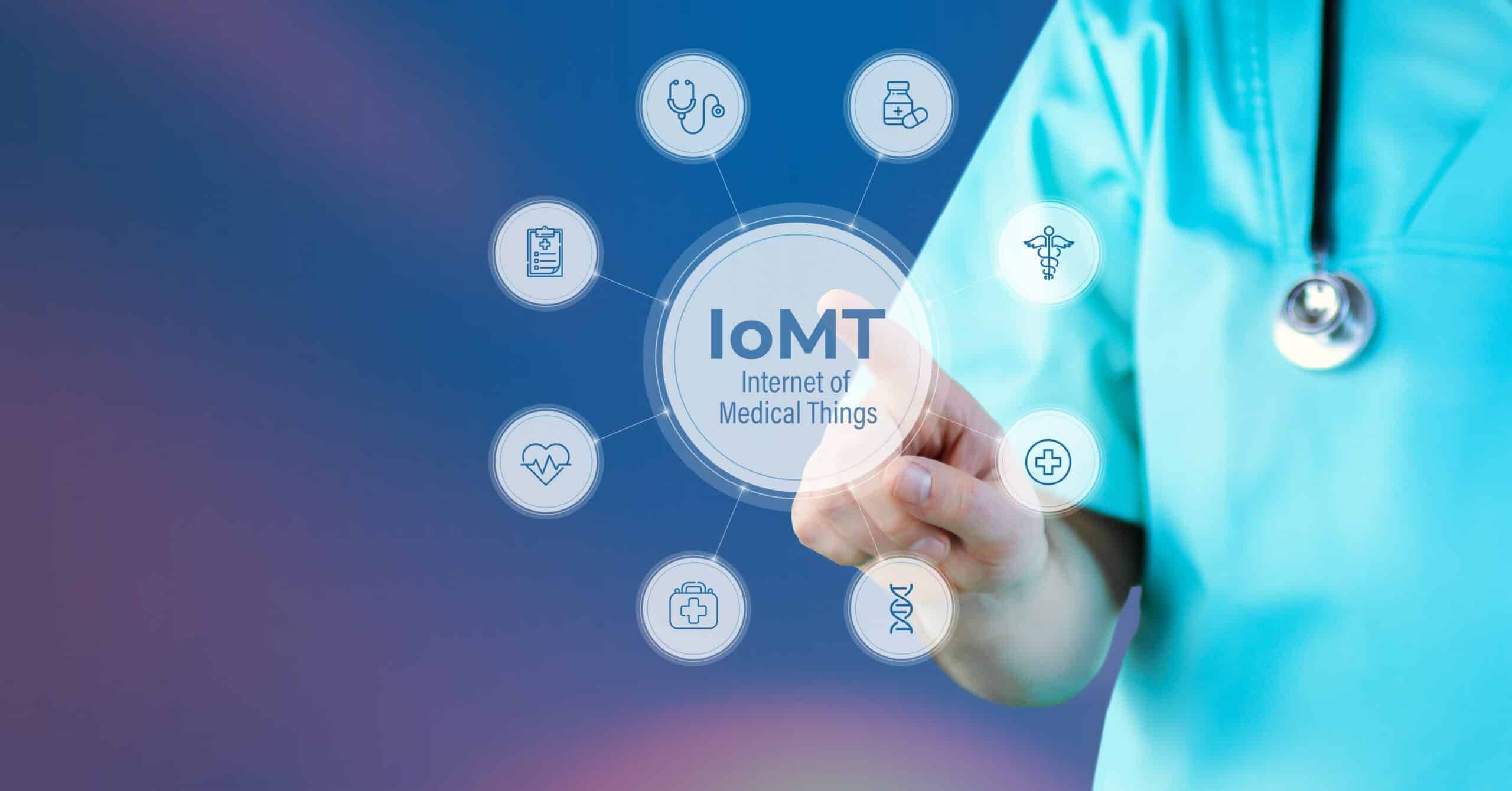
The Internet of Medical Things (IoMT) is a network of interconnected medical devices, software, and applications that communicate with systems and cloud platforms to collect, store, and analyze health data. These devices, from wearable sensors to in-home monitoring systems, let healthcare providers track patients’ health metrics in real time. IoMT enhances care by enabling continuous monitoring of chronic conditions, medication adherence, and post-operative recovery, all without in-person visits.
IoMT devices typically use cloud computing platforms like Google Cloud or Amazon Web Services to store the vast amounts of data they generate. That data can then be processed and analyzed using AI and predictive analytics to detect patterns, foresee complications, and give healthcare providers actionable insights.
As one example, wearable medical technology can continuously monitor vital signs like heart rate or glucose levels, transmitting the information directly to healthcare providers. This constant flow of data supports timely interventions and personalized care plans, improving patient outcomes and reducing hospital readmissions.
Embracing healthcare technology trends for a stronger future
The healthcare industry is undergoing rapid transformation as new healthcare technology trends reshape everything from patient care to administrative processes. From AI and machine learning that improve diagnoses and operational efficiency, to the automation of routine tasks and the sharing of data through interoperable systems, these advances are creating a more connected, efficient, and patient-centered healthcare environment.
As healthcare workers adopt these top healthcare technology trends, communication platforms become even more critical. Effective internal messaging keeps healthcare professionals informed, engaged, and aligned with organizational goals, supporting the real-time flow of information that reduces risk, improves compliance, and enhances patient care.
For healthcare organizations looking to keep pace with these trends, a strong communication strategy is the foundation.
See where healthcare engagement really stands
Get the workforce data behind these trends in the 2026 State of Employee Engagement Report.
Frequently asked questions
Deliver a hyper-personalized employee experience at scale
Table of Contents
Related posts
Subscribe via Email
Subscribe to our blog to get insights sent directly to your inbox.
Related posts



Sign up to receive the latest news and resources from Firstup
Firstup delivers personalized communication and data insights to improve the employee experience at every moment that matters