
Table of Contents
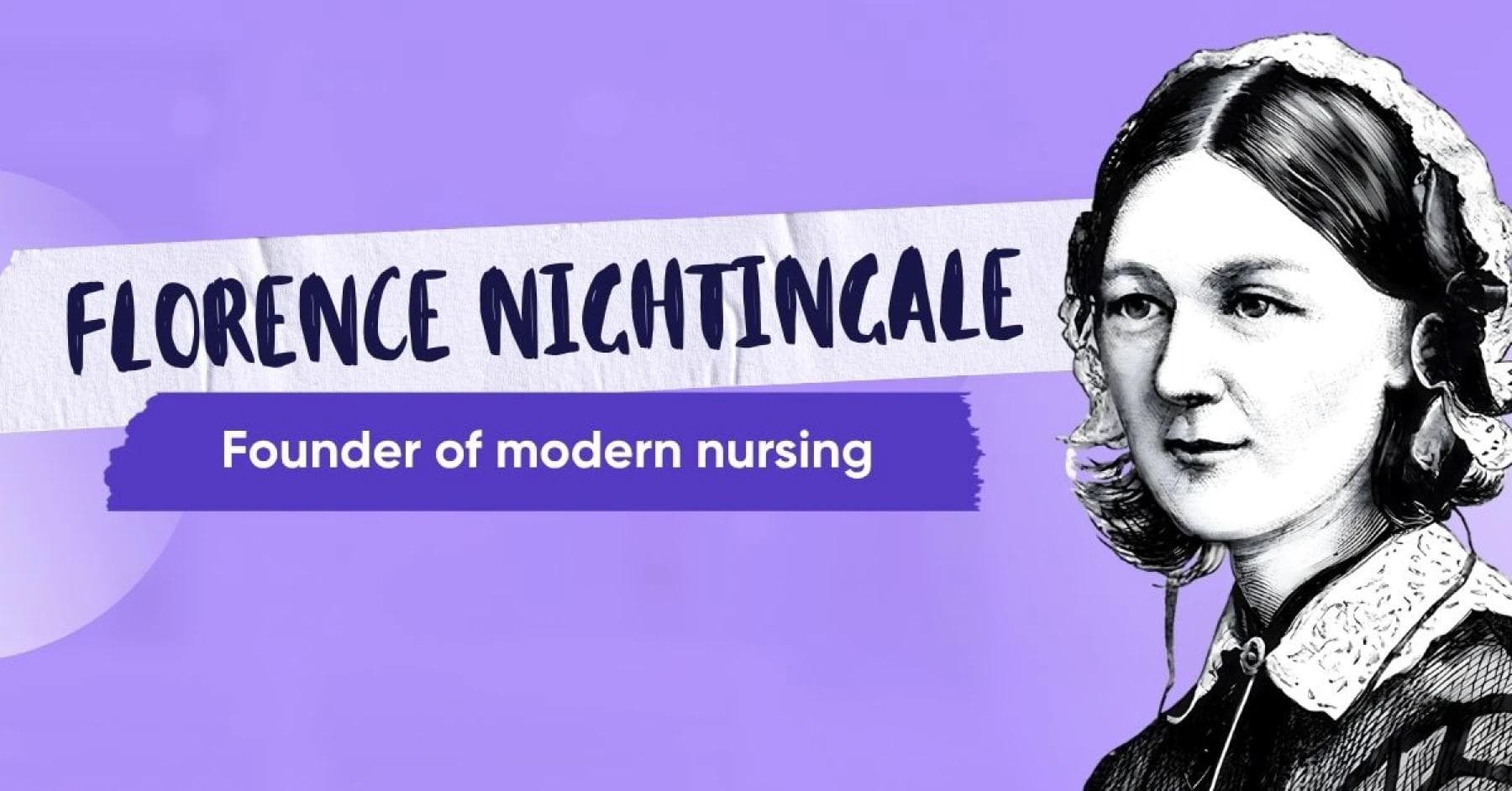
International Nurses Day is observed on May 12 for a reason: it marks the birthday of Florence Nightingale, the founder of modern nursing.
Nightingale transformed nursing by recognizing that the conditions around care matter as much as the care itself. Reliable information, structured processes, clear communication. These weren't peripheral concerns. They were central to healing.
That same principle applies directly to nurse communication today.
What the data tells us in 2026
Firstup's 2026 State of Nursing Communication Report surveyed 1,000 U.S. hospital nurses. The findings are clear: nurses are routinely missing key updates, not because their hospitals aren't communicating, but because delivery methods were never designed for clinical environments.
- 90% of nurses have learned about policy changes only after they were already in effect, and nearly half (46%) say this has happened several times or more.
- 16% have missed safety protocol updates.
- 10% have overlooked HIPAA or compliance information entirely.
- 48% say they are only "somewhat confident" that their hospital's communications keep them compliant with required policies and procedures.
The volume of communication isn't the problem.
Nearly 70% of nurses receive workplace updates several times a week or more. Yet 67% skim or delete messages without fully reading them, and one-third say they don't have time to read updates during their shifts.
The downstream effects are measurable.
Eighty-eight percent of nurses say miscommunication from managers or leadership has caused workplace issues, including increased stress or burnout (52%), a desire to leave their department (32%), or a desire to leave the profession altogether (21%).
At a replacement cost of $61,110 per RN, this is not a soft engagement problem. (Source: RN replacement cost from 2025 NSI National Health Care Retention & RN Staffing Report, via firstup.io/blog/when-nurses-miss-critical-updates-patient-care-suffers/)
Roughly 38% of nurses say their hospital's communication about staffing changes, new equipment, safety protocols, and onboarding is only somewhat effective or actively needs improvement.
As Bill Schuh, CEO of Firstup, puts it:
"Hospitals depend on nurses to make rapid, informed decisions and deliver high-quality patient care. Nurses depend on timely, relevant information to do their jobs safely, effectively, and compassionately."
The broader challenge: the frontline communication gap
The challenge in healthcare reflects a broader pattern across frontline workplaces.
According to Ragan Communications and Interact (2026), only 1% of communicators say they are very effective at reaching frontline employees. Additionally, 56% of communicators name manager communication as their top challenge—and only 4% say managers are very effective at cascading messages.
In healthcare, where nurses often depend on managers to relay critical updates, that number carries particular weight. Firstup's research found that 50% of nurses depend on their direct manager to relay important workplace updates; an inherently inconsistent channel.
What caring through communication looks like
The healthcare organizations closing this gap are seeing measurable results.
Wellstar Health System improved flu vaccine compliance from 54% to 99% in two weeks, avoiding $500K in labor costs while maintaining community trust. Staff shortages, patient care quality, and compliance requirements were resolved by using an omnichannel communication strategy.
As Grace Carlson, Internal Communications Specialist at Wellstar, described it:
"With Firstup, we were able to reach those who still had action items without spamming compliant team members."
Cooper University Health Care built a safety-first culture with Firstup's Good Catch program, which celebrates nurses who flag potential medical errors.
"The way we use Pulse Plus is to celebrate those Good Catches. It builds an understanding and culture around the importance of reporting," said Dr. Michael Kirchhoff, Chief Innovation Officer and Patient Safety Officer.
Now: Intelligent communication that meets nurses where they are
Nurses don't sit at desks. They move between patients, shifts, and units. When 90% report learning about a new policy or procedure after the fact, the system is failing them.
In March 2026, Firstup launched Firstup AI, a suite built specifically for the realities of healthcare communication. AI Search gives nurses plain-language answers across all connected systems, so instead of hunting through portals or waiting to ask a colleague, they can find the protocol, policy, or update they need in seconds. No desk required.
For the communicators and HR leaders working to reach a distributed, shift-based workforce, AI Content Creator and AI Insights make it possible to deliver targeted, personalized messages to the right nurse, on the right device, at the right time—and measure whether those messages landed.
When 81% of nurses say miscommunication has directly caused patient care issues, "we sent the email" is no longer good enough.
On this final day of Nurses Week…
The most meaningful thing a healthcare organization can do for its nurses isn't a banner in the break room.
Effective communication enables organizations to treat nurses as the professionals they are—with relevance, reliability, and respect. Every shift.
Table of Contents
Related posts
Subscribe via Email
Subscribe to our blog to get insights sent directly to your inbox.
Related posts




Sign up to receive the latest news and resources from Firstup
Firstup delivers personalized communication and data insights to improve the employee experience at every moment that matters